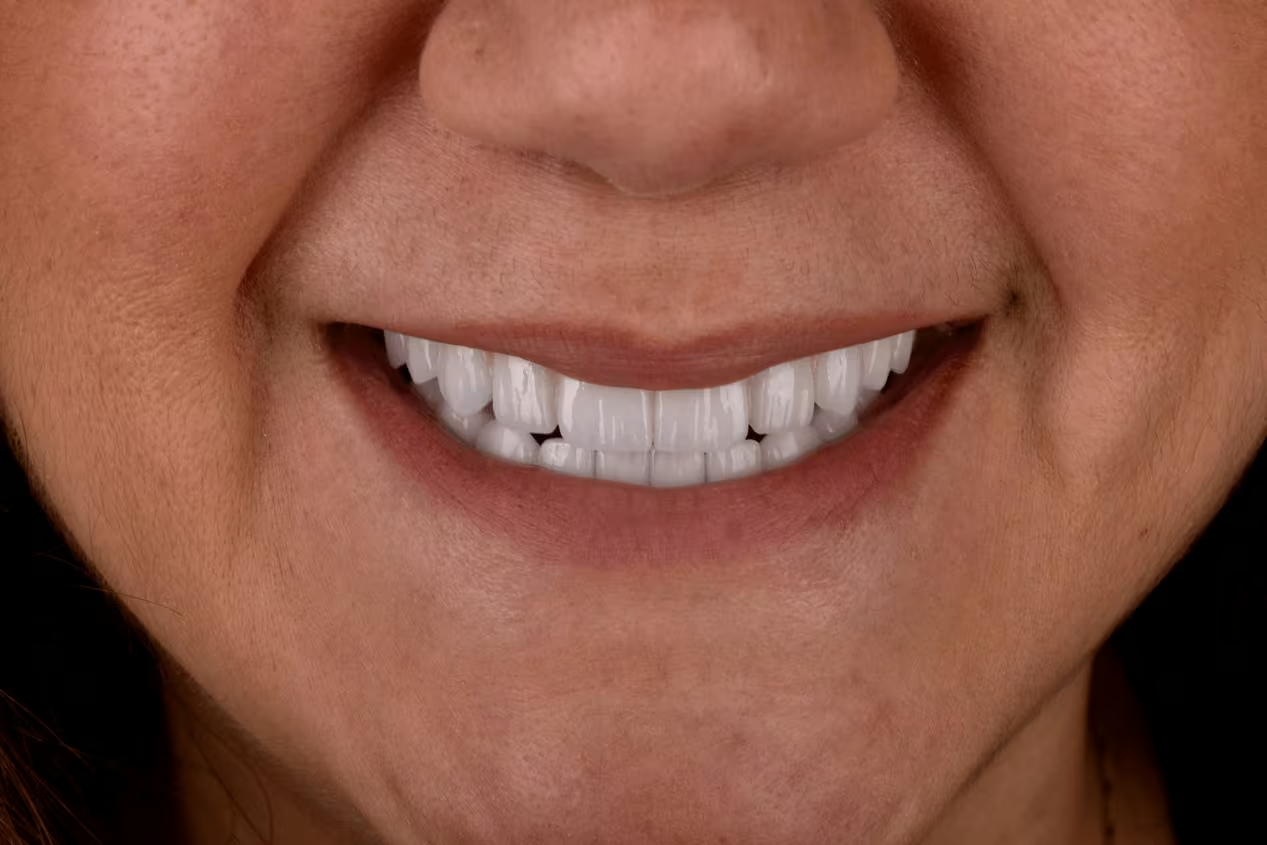
Losing a tooth changes more than your smile. A gap can make it harder to chew certain foods, affect the way your teeth come together, and change how confident you feel during everyday conversations. Dental implants address those concerns by replacing both the visible tooth and the root beneath it.
According to the American Academy of Implant Dentistry, about 3 million people in the United States have dental implants, and that number grows by roughly 500,000 each year. Despite their growing popularity, implants do not provide an instant replacement for missing teeth. Treatment progresses through several stages, from initial evaluation to placing the final crown.
Think dental implants could be right for you? Learning what to expect at each stage can make the process feel more manageable and help you make confident decisions about your care. This guide walks through the dental implant process from start to finish and explains where to turn for the best dental implants in Houston.
What Happens Before You Get Dental Implants?
Every successful implant starts with careful planning. Before your dentist schedules surgery, they need to determine whether your mouth provides the right foundation for long-term success.
1. Your Dental Implant Consultation and Oral Examination
The process begins with a comprehensive dental implant consultation. During this appointment, your dentist may take X-rays and 3D images to provide a detailed view of the treatment area. These images allow your dentist to evaluate jawbone volume and determine the ideal location for each implant. This appointment also provides the opportunity to discuss any medications or medical conditions you have to ensure proper treatment planning.
2. Your Implant Dentist Creates a Personalized Treatment Plan
No two smiles require the same treatment approach. Some patients need a single implant, while others need a solution that replaces multiple teeth. Your treatment plan will also take into consideration the condition of your jawbone, as well as your current oral health. If you have untreated gum disease or a damaged tooth that still requires extraction, your dentist will address those concerns prior to implant placement.
Additionally, if your dentist determines that you don’t have enough jawbone volume, you may need a bone graft for dental implants. A bone graft helps to create a more solid foundation for the implant, ensuring overall treatment success.
What Happens During the Dental Implant Procedure?
Many patients expect dental implant surgery to feel complicated. In reality, the procedure follows a series of carefully planned steps designed to create a stable foundation for your new tooth.
1. Placing the Dental Implant
On the day of your appointment, your dentist begins by numbing the treatment area with local anesthesia. If your treatment plan includes sedation, you’ll receive that before the procedure starts.
Next, your dentist creates a small opening in the gum to reach the underlying bone. Using specialized instruments, they prepare the implant site before precisely placing the dental implant post (which serves as an artificial tooth root) into the jawbone. Once the post is secure, your dentist closes the area so healing can begin.
2. Implant Healing and Osseointegration
After your implant is in place, your body needs time to heal before your dentist can attach the final restoration. During the next few months, the surrounding jawbone fuses directly to the implant in a process known as osseointegration. That connection gives the implant the strength to handle normal biting and chewing. Your dentist will check the area at follow-up appointments to confirm everything heals as expected before moving to the next phase of treatment.
How Is the New Tooth Attached to the Implant?
Once your implant fully bonds with the jawbone, it’s time to attach the new restoration. This part of the process involves two key steps.
1. Placing the Abutment
The first step involves attaching a small connector called an abutment to the implant. This piece sits between the implant below the gumline and the crown that will replace the visible part of the tooth. Your gums will need a short period to heal around the abutment before restoration placement.
2. Creating and Placing the Final Crown
After your gums heal, your dentist takes digital impressions of your mouth. These impressions go to a dental laboratory, where a custom dental crown will be made to match the shape, size, and color of your surrounding teeth.
Once the implant crown returns from the laboratory, your dentist checks the fit and makes any necessary adjustments before securing the restoration in place. The completed implant should blend naturally with your smile while restoring the function of the missing tooth.
How Long Do Dental Implants Last?
Dental implants are a long-lasting tooth replacement option because they bond directly to your jawbone rather than resting on the gums.
To protect your investment and ensure dental implant success, it’s important to follow good daily habits, including:
- Regular brushing and flossing
- Routine dental visits to monitor both the implant and the surrounding tissues
- Avoiding tobacco
- Managing teeth grinding, if needed
With consistent implant care and good oral hygiene, many patients enjoy their implants for decades.
Where To Find the Best Dental Implants in Houston
Dental implants provide a permanent tooth replacement option for patients with missing teeth. While the procedure can feel intimidating, understanding each stage can help you feel more comfortable and confident about getting treatment.
At Sapphire Smiles, patients receive dental implant care from Dr. Ernest Erian, a board-certified periodontist and implant specialist with advanced training in periodontal surgery, dental implant therapy, and complex full-mouth implant rehabilitation. His education includes a fellowship and residency in periodontics at Case Western Reserve University, followed by a specialty fellowship in implant prosthodontics at Louisiana State University. As a family business, the team at Sapphire Smiles combines a personalized approach with state-of-the-art technology to achieve exceptional, long-lasting results.
Looking for the best dental implants in Houston? Contact Sapphire Smiles today to get started.


.avif)

.svg)

.svg)
.svg)
.svg)
.svg)


